What to know about emergency carpet cleaning in Sipson
If a carpet gets flooded, stained, or soaked at the worst possible moment, you do not need a lecture. You need clear advice, fast. That is exactly what this guide on What to know about emergency carpet cleaning in Sipson is here for. Whether it is a burst pipe, a pet accident before guests arrive, or a red wine spill that spreads faster than you can grab a towel, the first few minutes matter more than most people realise.
Emergency carpet cleaning is not just about making a carpet look better. It is about limiting damage, reducing odour, helping fibres recover, and stopping moisture from turning into something bigger. In a place like Sipson, where homes and businesses can be close to busy roads and Heathrow-area traffic, a quick, sensible response can make a real difference. Let's walk through what actually matters, what works, and what you should avoid when time is tight.
Table of Contents
- Why emergency carpet cleaning in Sipson matters
- How emergency carpet cleaning works
- Key benefits and practical advantages
- Who this is for and when it makes sense
- Step-by-step guidance
- Expert tips for better results
- Common mistakes to avoid
- Tools, resources and recommendations
- Law, compliance, standards, or best practice
- Options, methods, and comparison
- Case study or real-world example
- Practical checklist
- Conclusion
- Frequently asked questions
Why What to know about emergency carpet cleaning in Sipson Matters
When a carpet is hit by an emergency, the clock starts ticking. Water, food, pet mess, mud, and spill residues do not just sit on the surface. They can work their way down into the underlay, settle into the backing, and leave behind smells or staining that gets harder to remove with each passing hour. In a warm room, that process can move quickly. In a hallway or lounge that sees heavy foot traffic, it gets worse because soil gets pushed deeper every time someone walks across it.
To be fair, many people try a quick DIY fix first. That is not always wrong. Blotting a spill fast is sensible. But emergency carpet cleaning is different from routine cleaning. It needs judgment. Was the carpet soaked only on top, or has moisture reached the underlay? Is the stain protein-based, greasy, tannin-based, or water-soluble? Has the spill already been rubbed in? These details matter because the wrong response can set a stain permanently or spread contamination further.
There is also a health and comfort angle. Damp carpets can start to smell musty. Pet incidents can linger in the room even after the visible mark is gone. If a business space, rental property, or guest room is involved, the impact is not only cosmetic. It affects first impressions, occupancy, and in some cases safety. That is why local emergency carpet care in Sipson is not a luxury service. It is often damage control.
And let's face it, nobody wants to spend a whole weekend kneeling on the floor with a fan, a towel, and that sinking feeling that the patch is getting bigger rather than smaller.
Expert summary: the best emergency response is usually the one that protects the fibres first, limits moisture, and avoids making the stain harder to treat later. Fast action helps, but the right action matters more.
How What to know about emergency carpet cleaning in Sipson Works
Emergency carpet cleaning usually follows a simple but careful process. The exact method depends on the cause of the damage, the carpet fibre, and how long the problem has been there. A professional will usually begin by assessing the area, identifying the likely stain type, and checking whether the carpet is merely surface-damp or actually saturated.
The first stage is often inspection and stabilisation. That means removing loose debris, lifting standing liquid if there is any, and deciding whether the area needs urgent drying before treatment. If there is a risk of spreading contamination, the cleaner may isolate the patch and work from the outside in. This small detail sounds obvious, but it is easy to get wrong when you are rushing.
Next comes pre-treatment. Different substances behave differently. A drink spill may need a mild spotting solution, while pet accidents may call for a deodorising and stain-breaking treatment. Greasy marks, by contrast, need a different approach entirely. Using a one-size-fits-all product is a common mistake. It can smear the stain or leave residue that attracts more dirt later.
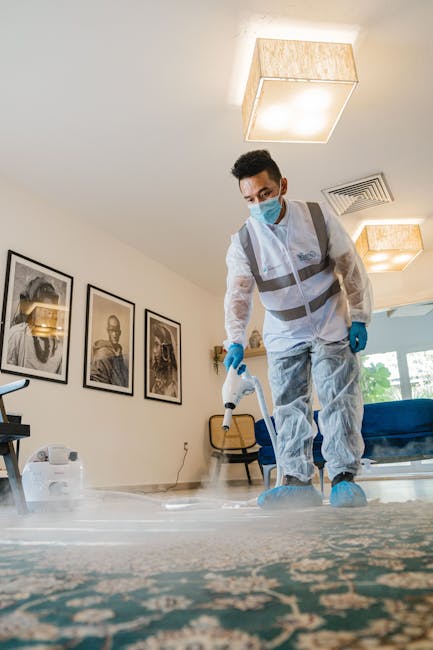
After that, the cleaner may use hot water extraction, low-moisture cleaning, targeted stain removal, or a combination approach. If you are comparing services, you may see terms like steam carpet cleaning and stain-specific treatment. In plain English, steam-style cleaning uses heated water and extraction to lift dirt and residues from deeper in the pile. It is not always the right first move in a true emergency, but it is often part of the recovery process once the stain has been stabilised.
Drying is the final piece, and it matters a lot. Airflow, dehumidification, and careful moisture removal help prevent odours and secondary damage. A carpet that looks fine but stays damp underneath can still develop problems later. That is one reason experienced cleaners check not just appearance, but feel and dryness too.
Key Benefits and Practical Advantages
The main benefit of emergency carpet cleaning is obvious: it reduces visible damage fast. But the real value goes further than that. It can help preserve the life of the carpet, cut the risk of permanent staining, and reduce the need for replacement. That last point is especially relevant when the carpet is fitted wall to wall or covers a large commercial area.
There is also the matter of odour control. Spills involving milk, food, pets, floodwater, or damp can leave lingering smells that do not always show up right away. You might think the room smells okay at lunchtime, then notice a sour edge by evening. A proper emergency clean addresses the source instead of just masking it.
Another benefit is time. A trained cleaner can often spot what a homeowner might miss, such as dye transfer, backing damage, or a stain that has already started to wick back up from below the surface. That word "wicking" simply means liquid carrying soil or stain back to the top as it dries. It is one of those annoying little carpet behaviours that catches people out, and yes, carpets can be a bit dramatic.
For landlords, letting agents, and tenants, there is a practical advantage too. Prompt attention can help reduce disputes over damage, especially where the carpet needs to be restored before the end of a tenancy inspection. If you want a fuller sense of how pricing can be framed fairly, the page on pricing and quotes is useful background when comparing service options.
In homes with children or pets, the biggest advantage may simply be peace of mind. You know the mess has been handled properly, the room is safe to use again, and the smell is not going to greet you every time you walk in. That relief is hard to put a price on, honestly.
Who This Is For and When It Makes Sense
Emergency carpet cleaning is not only for dramatic flood events. It makes sense any time the carpet has taken on urgent damage that is likely to worsen, stain, smell, or spread. A lot of calls come from everyday situations that just happened at the wrong time.
- Homeowners dealing with drink spills, pet accidents, muddy footprints, or water ingress.
- Renters who need fast help before a landlord inspection or end-of-tenancy check.
- Landlords and agents managing damage between tenants.
- Businesses that need to keep customer-facing areas presentable and usable.
- Families with children or pets where repeated accidents are part of real life, not theory.
- Anyone returning from holiday to find a leak, a smell, or a mystery stain that has had too much time to settle in.
If the problem is large-scale flooding, sewage contamination, or deep structural damp, carpet cleaning alone may not be enough. That is where judgment matters. Sometimes the sensible decision is to clean, dry, and assess. Sometimes it is to remove the carpet altogether. A good local professional should be honest about that rather than promising a miracle. The carpet may not want to be saved. Weirdly stubborn carpets do exist.
Step-by-Step Guidance
If you are facing a carpet emergency right now, keep things calm and work through the issue in order. Panic tends to make spills spread. Here is the practical route.
- Stop the source if you can. If the problem is a leak, shut off the water supply or move the source away from the carpet. No cleaning method can compete with an active leak for very long.
- Blot, do not rub. Use a clean towel or absorbent cloth and press down gently. Rubbing pushes liquid deeper and can rough up the pile.
- Lift solids carefully. If there is mud, food, or pet waste, remove what you can without smearing it. A blunt edge or spoon can help.
- Identify the type of spill. Water, grease, dye, pet mess, and blood all behave differently. That is why "just use anything" is rarely a great plan.
- Check how far the moisture has travelled. Walk around the area and feel for dampness beyond the visible patch. A stain can look small on top while the underlay is telling a different story.
- Use the right treatment. Apply a suitable spot treatment only if it is safe for the fibre and the stain type. Test a small hidden area first if you are unsure.
- Extract and dry thoroughly. Use extraction, towels, airflow, and ventilation. Opening windows can help, but in a busy road-facing property you may need to balance air movement with noise and dust.
- Watch for wick-back. Check the spot again after drying. If colour reappears, the stain may have come from deeper down and may need professional attention.
- Book a specialist if needed. If the stain remains, smells, or covers a large area, call a professional rather than layering one home remedy over another.
Sometimes the hardest part is knowing when to stop. You do not need to keep attacking the carpet until you make it worse. A short pause and a sensible plan can save the day.
Expert Tips for Better Results
A few small habits can improve the outcome a lot. In our experience, the jobs that go best are usually the ones where the first response was measured, not frantic.
- Work from the outside in. This keeps the stain from spreading into clean fibres.
- Use very little product at first. More solution does not mean better cleaning. Over-wetting is one of the biggest causes of delay and odour.
- Know your fibre if possible. Wool, synthetic blends, and older carpets do not all tolerate the same treatment.
- Mind the underlay. If water has gone deep, the surface can fool you. A carpet that feels dry may still be damp below.
- Keep pets and children away. Freshly treated areas can be slippery or mildly damp for a while.
- Take a quick photo before cleaning. This is useful for rental properties, insurance, or simply remembering how the spill looked before treatment.
- Use airflow wisely. A fan pointed across the carpet surface is often better than blasting heat directly at it.
One practical local point: in Sipson, properties near busier roads or airport-related routes can collect dust quickly once windows are opened. So if you are airing a room, try to keep the process efficient rather than leaving it open all afternoon. A small thing, but it matters.
If the carpet is part of a larger cleaning job, you may also want to review services like carpet cleaning or stain removal for the broader recovery plan. That way you are not only rescuing one patch, but restoring the room as a whole.
Common Mistakes to Avoid
A surprising amount of carpet damage comes from well-meant attempts to fix things quickly. Some mistakes are minor. Others turn a small issue into a much bigger one.
- Rubbing the spill hard. This can grind the stain deeper and distort the pile.
- Using bleach or harsh chemicals. They may remove colour from the carpet itself. Not ideal, obviously.
- Soaking the area. Too much water can push the problem into the underlay and slow drying.
- Ignoring odour. If the smell remains, there is still a source to address.
- Waiting too long. Fresh stains are easier to handle than old, set ones.
- Mixing cleaning products. This can cause residue, fibre damage, or unsafe fumes.
- Skipping a hidden test patch. Some dyes and fibres react badly even to mild products.
- Assuming all stains are the same. Coffee, pet urine, red wine, grease, and muddy water each need a different approach.
A little patience goes a long way here. Truth be told, the biggest mistake is usually thinking the first visible improvement means the job is done. It rarely does. A carpet can look better after ten minutes and still need proper drying or a second treatment.
Tools, Resources and Recommendations
You do not need a giant toolkit to deal with the first stage of an emergency, but having a few sensible items in the house helps. For the actual recovery work, professional equipment tends to outperform household gear, especially when moisture has penetrated deeper.
| Tool or resource | What it helps with | Best use |
|---|---|---|
| Microfibre cloths or white towels | Blotting liquid without transferring colour | Immediate spill response |
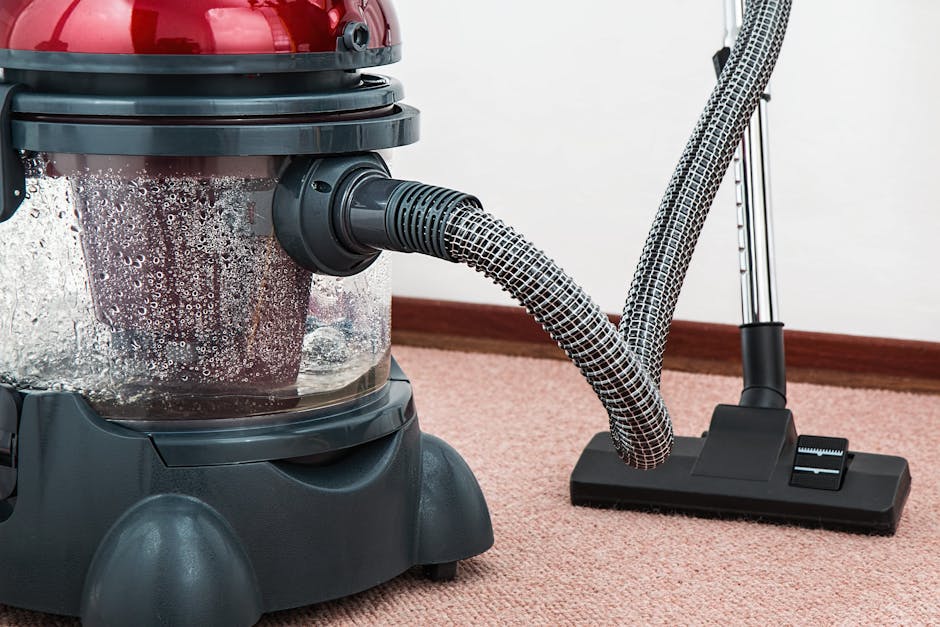
| Wet vacuum or extraction machine | Removing excess liquid | Heavy spills or flooded patches |
| Fan or air mover | Speeding up drying | Post-cleaning ventilation |
| Gentle carpet spot cleaner | Targeted stain treatment | Small stains on suitable fibres |
| Protective gloves | Hygiene during pet or unknown spills | Cleaning contaminated areas |
| Professional inspection | Assessing fibre type and damage level | When the problem is not straightforward |
If you are comparing related services, it helps to look at the rest of the cleaning picture too. For example, a badly stained sofa may be part of the same room issue, and the page on sofa cleaning can be relevant if the spill has spread. Likewise, if the room has curtains that have picked up odour or damp, curtain cleaning may be worth considering so the entire space feels fresh again.
For pet-related incidents, a specialist approach often helps more than a general clean. That is where pet stain odour removal becomes especially useful, because odour and staining are often linked. One without the other is only half the job.
Law, Compliance, Standards, or Best Practice
Emergency carpet cleaning is not usually a heavily regulated service in the way some trades are, but there are still important standards of care. Responsible providers should work safely, communicate clearly, and use methods suitable for the material and the property. That matters whether the job is in a family home, a rental, or a commercial premises.
Best practice includes checking safety around electricity, avoiding trip hazards from hoses or damp floors, and using cleaning agents in line with product guidance. If a room is occupied by vulnerable people, children, or pets, extra caution is sensible. The cleaner should also explain any drying time or access limitations, because a floor that looks clean can still be slippery or damp enough to be risky.
In rental situations, it is wise to keep records if a spill could affect an inspection or deposit discussion. Photos, dates, and short notes can help. That is not being fussy. It is just practical. If a business setting is involved, especially where customers or staff move through the area, health and safety obligations are even more relevant. No one wants a wet patch to become an avoidable accident.
For peace of mind, it helps to look at service policies too. Pages such as insurance and safety, health and safety policy, and terms and conditions can help you understand how a provider handles risk, access, and service expectations. That kind of transparency is a good sign, and frankly, it saves awkward surprises later.
Options, Methods, or Comparison Table
Not every emergency needs the same response. A quick comparison can help you decide whether the issue is manageable at home or better handled professionally.
| Method | Best for | Strengths | Limitations |
|---|---|---|---|
| Blotting and drying | Fresh minor spills | Fast, cheap, immediate | Not enough for deep or set damage |
| Spot treatment | Small local stains | Targeted and efficient | Risk of residue or colour change if used badly |
| Hot water extraction | Dirty carpets, deeper staining, odours | Thorough cleaning and residue removal | Needs proper drying time |
| Low-moisture treatment | Light emergency refreshes | Quicker drying | May not suit heavily contaminated areas |
| Professional emergency clean | Flooding, pet accidents, stubborn stains | Assessment, equipment, and experience | Higher cost than DIY |
If you are unsure which method is right, that is usually the clue that a professional review is worth it. Not because you cannot do anything yourself, but because guessing with carpets can be expensive. One bad pass and the stain is suddenly part of the carpet's personality.
Case Study or Real-World Example
Here is a realistic example. A family in Sipson gets home on a wet evening and finds a drinks spill in the living room after a small gathering. The area is about the size of a dinner plate at first, but by the time they notice it, the liquid has spread under a sofa edge and the carpet feels slightly damp beyond the visible mark.
They blot the top layer with towels, but the stain still looks uneven the next morning. There is a faint sweet smell, and the patch begins to dry with a darker ring around the edge. That ring is a classic sign that residue is moving outward while the carpet dries. A quick DIY clean has helped only partly.
A professional would likely inspect the fibre, test a suitable solution, treat the stain carefully, extract residue, and dry the area with airflow. If the spill had reached the underlay, they might recommend deeper treatment or repeat extraction. The key point is that the visible stain was only one part of the problem. The smell and the drying pattern gave away the rest.
That is a good reminder that emergency carpet cleaning is as much about reading the room as it is about scrubbing the carpet. A trained eye catches what is easy to miss when you are tired, stressed, and maybe apologising to the sofa for no reason.
Practical Checklist
Use this quick checklist when a carpet emergency happens. It keeps the job focused, which is helpful when your brain is trying to do six things at once.
- Stop the source of the spill or leak if possible.
- Blot gently with a clean absorbent cloth.
- Lift any solids without rubbing them in.
- Identify the stain type if you can.
- Check whether moisture has spread beyond the visible patch.
- Avoid over-wetting the carpet.
- Test any cleaning product on a hidden area first.
- Dry the area with airflow and ventilation.
- Watch for odour, residue, or colour returning as it dries.
- Call a professional if the stain is large, old, smelly, or uncertain.
If the emergency involves more than the carpet, think about the wider room too. Upholstery, rugs, and mattresses can carry the same spill or odour, so cleaning only one item may leave the space half-finished. The pages on rug cleaning, upholstery cleaning, and mattress cleaning can help you plan a fuller recovery if needed.
Conclusion
What to know about emergency carpet cleaning in Sipson comes down to three things: act quickly, avoid common mistakes, and choose the right method for the problem in front of you. A fast response can save a carpet from permanent staining, bad smells, and unnecessary wear. But speed without care can also make the issue worse, so it pays to slow down just enough to do the basics properly.
The good news is that many carpet emergencies can be brought under control if handled early. Even better, the right professional approach can make a room feel normal again far sooner than most people expect. Whether it is a family home, a rented flat, or a business space near Sipson, the aim is the same: protect the carpet, protect the room, and get life back on track without the drama lingering longer than it needs to.
If you want clear pricing, honest advice, and a practical next step, start by comparing your options and asking the right questions. A little clarity now can save a lot of hassle later.
Get a free quote today and see how much you can save.
Frequently Asked Questions
How fast should I act after a carpet spill in Sipson?
As fast as you reasonably can. The first few minutes matter most, especially if the spill is liquid, greasy, or likely to smell. Blotting early helps, but avoid rubbing or soaking the area.
Can I clean an emergency carpet stain myself?
Sometimes, yes. Small fresh spills are often manageable with blotting and a suitable spot treatment. If the stain is large, the carpet is saturated, or the odour remains, professional help is usually the safer choice.
What is the difference between emergency cleaning and normal carpet cleaning?
Emergency cleaning focuses on urgent damage control. It is about stabilising the problem quickly, reducing staining, and drying the area properly. Regular cleaning is more about overall maintenance and appearance.
Will steam cleaning remove all emergency stains?
Not always. Steam-style cleaning can be very effective, but some stains need pre-treatment, specialist spotting, or a different method altogether. The stain type matters more than the label on the machine.
What should I do if my carpet smells after a spill?
That usually means something has remained in the fibres or underlay. Keep drying the area and avoid layering perfume or air freshener on top. If the smell persists, the source may need deeper treatment.
Is emergency carpet cleaning safe for pets and children?
It can be, provided suitable products are used and the carpet is allowed to dry fully before use. Keep pets and children away from freshly treated areas until the surface is dry and settled.
How do I know if the underlay is wet too?
If the carpet feels damp in a wider area, dries unevenly, or develops a recurring smell, moisture may have reached below the surface. Lifting a corner is sometimes enough to confirm it, but not always.
What kinds of stains are hardest to remove?
Dye-based stains, grease, pet urine, and old set stains are often the trickiest. The longer a stain sits, the more likely it is to bond with the fibres or wick back during drying.
Should I use hot water on a fresh spill?
Not automatically. Some stains respond well to warmth, but others can set or spread. If you are not sure what caused the spill, start with blotting and mild treatment rather than guessing.
How much drying time should I expect?
It varies with carpet thickness, moisture level, airflow, and the method used. Light treatment may dry relatively quickly, while deeper cleaning can take longer. Proper ventilation helps a lot.
Can emergency carpet cleaning help with pet accidents?
Yes, and it often needs a more targeted approach than a normal clean. Pet accidents can leave both staining and lingering odour, so treatment should deal with both together if possible.
What should I ask before booking a cleaner?
Ask about the likely method, drying time, stain experience, insurance, and how they handle difficult spots or odours. Clear answers are a good sign. Vague answers are not.
Is it worth cleaning a badly stained carpet, or should I replace it?
That depends on the fibre type, the size of the damage, and whether the underlay is affected. A professional assessment can help you decide whether cleaning is worthwhile or replacement makes more sense.
What if the stain comes back after drying?
That is called wick-back in many cases. It usually means residue from deeper in the carpet has moved upward again. A follow-up clean or deeper extraction may be needed.
Sometimes carpets are just having a bad day. The important thing is that you do not let one bad patch define the whole room. Deal with it well, and the rest usually follows.